
November is Diabetes Awareness Month

The Halloween candy is (hopefully!) making its way out of the house, Thanksgiving is just around the corner, and before we know it, we'll be surrounded by holiday cookies, festive treats and plenty of reasons to indulge. While there's nothing wrong with enjoying the season, November is also Diabetes Awareness Month a good time to remember that managing your health means looking after your eyes too.
Diabetes affects more than blood sugar levels. It can also have a serious impact on your vision, increasing the risk of several eye conditions that can lead to permanent vision loss or blindness. The good news? Taking proactive steps and keeping up with regular eye exams can make a meaningful difference.
How Does Diabetes Affect Your Eyes?
Over time, elevated blood sugar levels can damage the small blood vessels throughout the body, including those in the eyes. This can lead to several serious conditions:
1. Diabetic Retinopathy
Diabetic retinopathy occurs when high blood sugar damages the tiny blood vessels in the retina, the light sensitive tissue at the back of the eye. These vessels can swell, leak or become blocked, potentially leading to vision loss. It is one of the leading causes of vision impairment among working age adults.
2. Glaucoma
People with diabetes have an increased risk of developing glaucoma, a group of conditions that damage the optic nerve. Often called the "silent thief of sight," glaucoma can progress without noticeable symptoms until permanent vision loss has occurred.
3. Cataracts
Cataracts cause the eye's natural lens to become cloudy, resulting in blurry or hazy vision. People with diabetes are more likely to develop cataracts and may experience them at a younger age.
The Importance of Regular Eye Exams
One of the biggest challenges with diabetes related eye disease is that you may not notice any changes in your vision during the early stages.
In fact, more than half of people with diabetes skip recommended annual dilated eye exams. Yet early detection and timely treatment can help prevent or significantly reduce the risk of serious vision loss.
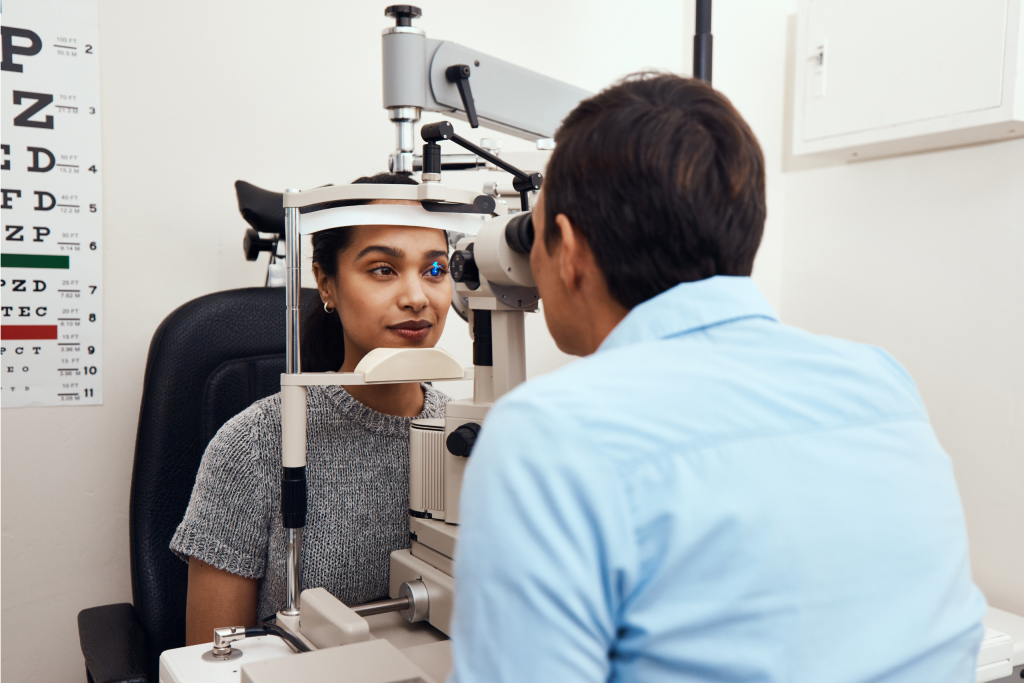
A comprehensive dilated eye exam allows your eye doctor to examine the retina and optic nerve for early signs of damage, even when your vision seems perfectly normal.
5 Ways to Protect Your Vision When Living with Diabetes
Taking care of your eyes doesn't have to be complicated. A few important habits can help protect your long term vision:
- Keep blood sugar levels under control. Follow your healthcare provider's recommendations and monitor your glucose levels regularly.
- Schedule annual comprehensive eye exams. Don't wait until you experience blurry vision or other symptoms.
- Monitor your blood pressure and cholesterol. Both can contribute to an increased risk of eye complications.
- Maintain a balanced diet. Enjoy the holiday treats in moderation while incorporating plenty of vegetables, fruits and nutrient rich foods.
- Stay active. Regular physical activity supports overall health and can help with blood sugar management.
Don't Put Your Eye Health on the Holiday To-Do List
Between Thanksgiving gatherings, holiday shopping, family visits and end of year commitments, it's easy to let routine appointments slip through the cracks.
But if you have diabetes, your annual eye exam is one appointment worth prioritizing. Even if your vision feels perfectly fine, changes may already be developing that only a comprehensive eye examination can detect.
At Gulf Coast Vision Center, we're committed to helping our Northwest Florida community protect their vision at every stage of life.
This Diabetes Awareness Month, give yourself one more reason to feel good about your health. Schedule your comprehensive eye exam and make protecting your vision part of your year round wellness routine.
Clear vision is worth protecting.
Contact Gulf Coast Vision Center to schedule your appointment at one of our 6 convenient Northwest Florida locations.